Too many spreadsheets
Data is copied by hand between files, so figures disagree and nobody is sure which version is right.
Problem 2: Outgrown systems
A business has outgrown its systems when the tools and routines that worked at a smaller size no longer hold. The fix starts with the process, and the software comes after. This page covers seven symptoms and what fixing them takes.
A company outgrows its systems when the way work is done and tracked no longer fits its size. Systems here means software, spreadsheets, processes and meetings together.
I call this problem “The company has outgrown its systems.” Sometimes the real problem is that the organization has simply outgrown the way it operates.
It is the second of the three problems I work on. It can appear alongside the founder bottleneck, because missing systems can push decisions back to one person.
Compare your company with these seven symptoms. Each description below shows what the symptom can look like.
Data is copied by hand between files, so figures disagree and nobody is sure which version is right.
Sales activity lives in inboxes and memory instead of the CRM. The pipeline view can't be trusted.
Reports take effort to assemble and leaders don't trust them, so decisions run on instinct.
Work stalls or repeats where one team passes it to another, because nobody owns the gap between them.
Meetings stand in for a reliable way to share information. People spend their time syncing instead of doing.
Without agreed measures, teams cannot tell whether the week went well or where to focus.
The steps are known only to the people who do them. Work slows when they're away, and new people can't pick it up.
Companies rarely choose to outgrow their systems. Systems often grow one fix at a time.
A spreadsheet can start as a quick way to track something. A tool can be added to solve one team's problem. A process can be set by whoever handled the task first. Each choice may have made sense when it was made.
Over time, nobody may own the whole picture. The tools may not share data, and the processes may not connect. Meetings can fill the gaps that the systems leave.
That is why the fix is rarely a single tool. A problem that looks like a technology problem may actually be a process problem. A process problem may actually be an accountability problem.
Each symptom can have more than one cause. This table pairs each one with a likely cause and a first question to ask.
| Symptom | What it can point to | A first question |
|---|---|---|
| Too many spreadsheets | No agreed source of truth for the data | Which file is the source of truth for each key number? |
| CRM isn't being used properly | An unclear sales process, or nobody owning the data | What does each pipeline stage mean, and who keeps it current? |
| Poor reporting | Unclear measures, or data that is hard to pull together | Which numbers do leaders check every week, and where do they come from? |
| Broken handoffs | Nobody owning the work as it passes between teams | Who owns the work at the moment it changes hands? |
| Meetings everywhere | Meetings used to share what systems should share | What decision does each meeting exist to make? |
| No clear KPIs | Priorities that are not agreed or not measured | What does a good week look like, in numbers? |
| Processes live inside people's heads | Work that was never written down or redesigned | Which process would stop if one person left? |
Technology doesn't fix a broken operating model. The operating model has to be redesigned first, and then technology can make the new model dramatically more powerful.
New software placed on an unclear process can copy the confusion into a new tool. A team that doesn't know who owns a handoff may not know after the software is installed either.
At one organization, I redesigned accounting, sales, order entry and manufacturing processes around an integrated Odoo ERP platform. The Odoo ERP transformation case study documents the work.
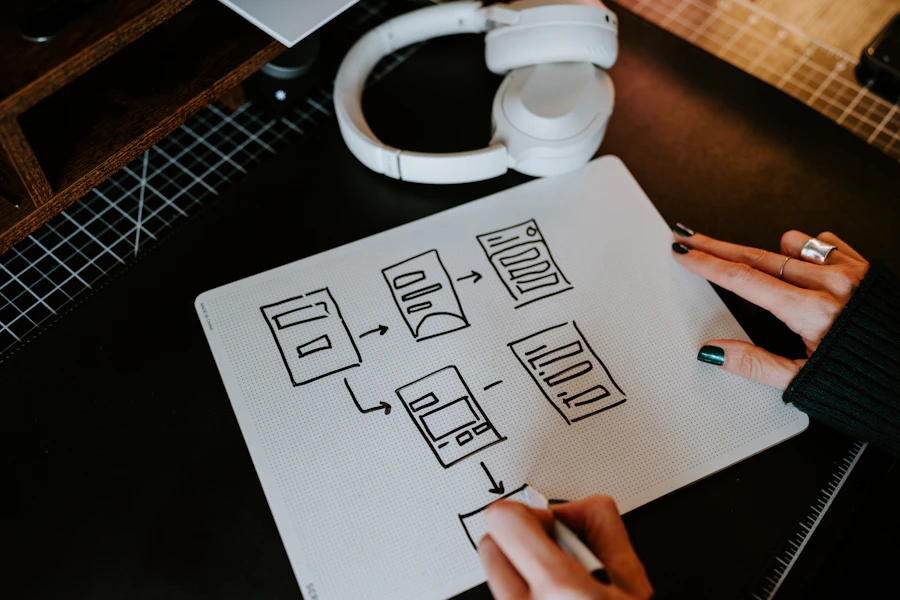
The order matters. The process-first approach to ERP projects follows the same sequence.
Assess existing processes and workflows, roles and responsibilities, information and data flows, and handoffs between departments.
Look for manual and duplicate activities, bottlenecks and sources of delay. These are places where time and accuracy can be lost.
If a process does not add value, eliminate it. If it can be simplified, simplify it. If it can be automated, automate it.
Select the platform that brings the redesigned business together, rather than replicating the old processes.
A KPI dashboard and an operating cadence show whether the new model is working.
A named owner for each process and each KPI can keep the redesign from fading. This is part of the accountability structure.
Fix first the part of the business where errors and delays cost the most. Follow one order from customer request to invoice. Note every point where someone retypes data, waits or asks a question.
The ERP case study shows what a connected flow looks like. Customers could configure products online, and those orders flowed directly into production and billing.
Once the flow works, reporting can become easier. A connected process can produce the data that KPIs need.
I start with how the business actually operates. In the 90-Day Scale-Up Operating System, Phase 1 assesses processes, technology, revenue operations and KPIs. Its deliverable, the Scale-Up Diagnostic, shows what's broken, why, what matters and what to fix first. Phase 2 sets process priorities, technology priorities and a KPI dashboard. Phase 3 covers process redesign, vendor management and technology decisions.
The Fractional COO engagement includes process improvement, KPI management and decisions on technology and AI. The Fractional COO + AI Transformation engagement adds technology architecture and vendor selection.
The aim is an operating system that works. The article on a business operating system defines the term. When several of the symptoms above match your company, tell me what is not working.
A company may have outgrown its systems when several symptoms appear together. These include too many spreadsheets, a CRM that isn't used properly, poor reporting and broken handoffs. Meetings everywhere, no clear KPIs and processes that live inside people's heads are the other signs. One symptom alone may be a local problem, while several together can point to the operating model.
A company should fix the process first and then choose the software. Technology doesn't fix a broken operating model. The operating model has to be redesigned first, and then technology can make it more powerful. In the Odoo ERP case study, understanding how the business actually worked came before the platform choice.
A growing company should track a small set of KPIs tied to its priorities. Areas such as revenue, delivery, cash and people are common starting points. Each KPI needs an owner and a regular review, or it can become a number nobody acts on. A KPI dashboard is one of the outputs of the Design phase of the 90-Day Scale-Up Operating System.
Processes often live inside people's heads because they grew through habit. They may never have been written down or redesigned as the company grew. The work can continue while the same people are present, and it can break when they are away or leave. Writing a process down helps most once the process itself is worth keeping.
A process is the sequence of steps that produces a result. A system is the set of tools and routines that carry it out. Software is one kind of system, and spreadsheets and meetings are others. A good system supports a good process, and a poor process makes even good software struggle.



The contact form is the place to tell me which systems are no longer holding.
Book a conversation